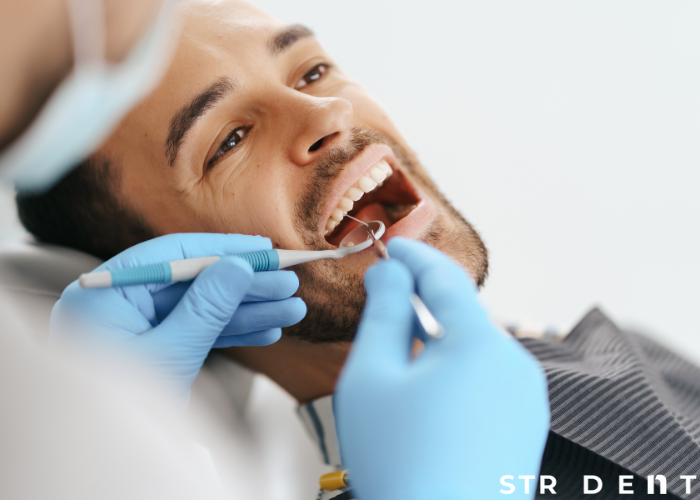
Gum surgeryperiodontal disease in advanced cases, is done for aesthetic reasons or a surgical intervention. Gum recession, periodontitis (advanced gum disease), gingivitis, or gum conditions such as aesthetic problems may require surgery. The aim of surgery on your gums back to health, back to ensure the protection of teeth and clear infections.
Types Of Gum Surgery
- Flap Surgery (Flap Surgery)
- Flap surgeryit is used in the treatment of advanced periodontal disease. This method is made to clean plaque and tartar that accumulates below the gum line.
- How Is It Done?
- Your dentist removes plaque and tartar on your gums gently by removing the root surface. The roots of the teeth is also puruzsuzlestirili (an acronym for Root), so that the gums to the tooth clings tighter. After cleaning, the gums are sewn back into place.
- The Healing Process: Gums heal within a few weeks after surgery. The doctor ordered soft antiseptic gargles and eating habits are important during the healing process.
- Gum Graft
- Gum graft, in patients with gum recession is applied. In this process, missing gum tissue to another part (usually from the palate) is placed into the gum area captured by taking.
- How Is It Done?
- Your dentist gum tissue from healthy tissue of the gums your gums and posts to the withdrawal from the region. This process restores the roots of the teeth, while preserving the health of your gums and provides an aesthetic appearance.
- The Healing Process: Healing may take several weeks, and it is important that the instructions be followed to provide the dental care.
- Curettage
- Curettage, is a method for the treatment of gingivitis. This process is called a periodontal pocket allows the removal of infected tissue and bacteria that accumulate in areas of the skin.
- How Is It Done?
- Pocket cleaned and inflamed gum tissue is removed. This procedure is performed under local anesthesia and stops the progression of gum disease.
- The Healing Process: After the procedure, your gums may be sensitive for a few days, but this situation is temporary.
- Laser Gum Surgery
- Laser surgerygum surgery is a modern approach. Laser by using a computer in a manner more sensitive and echoes the infected tissue is removed.
- How Is It Done?
- The laser beam targets the bacteria and infected gum tissue. Laser teeth by causing minimal damage to reduces inflammation and accelerates the healing process.
- The Healing Process: The bleeding is usually shorter and the recovery time after laser surgery is much less.
Gum surgery should be considered before and after
- Pre-Op:
- Before surgery, your dentist will check your oral health, and if necessary, antibiotic therapy may be recommended.
- If you smoke, chewing gum before surgery, it is recommended that you leave it. Smoking it can interfere with the healing process.
- After Surgery:
- Mild pain and swelling after surgery is normal. Painkillers recommended by your dentist alleviates this situation.
- Avoid foods that you eat soft foods for the first few days and very hot.
- Avoid applying pressure to the surgical site. Using an antiseptic mouthwash recommended by your dentist to provide oral hygiene.
- During regular dental checks to hinder the healing process.
Gum surgery is an effective and safe method in the treatment of gum disease. With early intervention, the progression of gum problems can be stopped and the health of the teeth can be protected.
