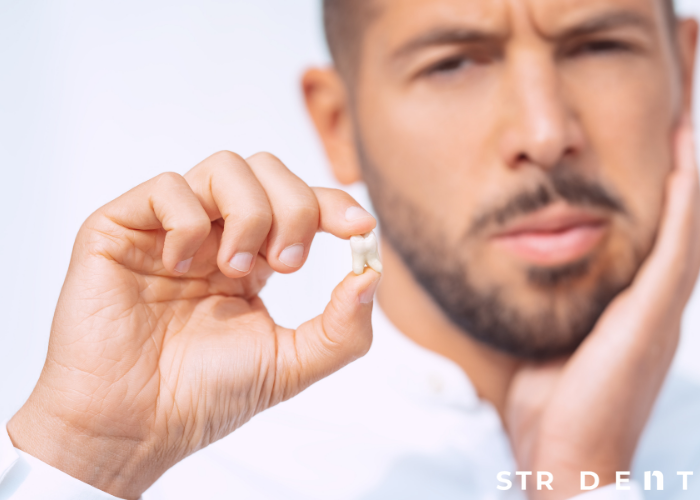
Wisdom tooth extraction is a common procedure in order to avoid various complications and maintain oral health. After this procedure, in some patients, side effects such as increased saliva production may occur. The increase in saliva production, although it is accepted as part of the healing process after the shooting, patients can be uncomfortable. In this article, the causes of wisdom tooth after extraction increased saliva formation and management of the situation that may require medical intervention will be discussed.
Causes Of Increased Saliva Production
- The Effect Of Surgical Intervention: Wisdom tooth extractions, can cause some trauma to surrounding tissues. This trauma, a foreign body sensation in the mouth can cause the salivary glands to work harder arousing. This increases saliva production in the mouth as a natural defense mechanism.
- Bleeding: Slight bleeding in the mouth after tooth extraction is normal. The presence of blood, the body may cause you to detect a foreign substance, and in this case, can cause the salivary glands to produce more saliva. Saliva, blood in the mouth and cleaning up you can help support blood clotting.
- The use of cotton or gauze in the mouth: Cotton or gauze after tooth extraction can be used to control bleeding in the mouth. The presence of these substances, can increase the production of saliva in the mouth by creating a sensation of a foreign body.
- Infection or inflammation: If you have an infection or inflammation in the shooting area, this condition can increase the production of saliva. Infection by triggering the immune system can increase the humidity within the mouth.
Increased Saliva Production Management
- Swallowing Carefully: An increase in saliva production, swallowing the saliva in the mouth to clean it regularly by patients can be useful. This can reduce the discomfort by eliminating more saliva in the mouth.
- Frequent Rest: After surgery, your body needs to rest. Relax and avoid stress, the production of saliva can help bring you back to a normal level.
- Drink Plenty Of Water: Drink plenty of water to prevent the accumulation of saliva in the mouth, spit be diluted can help. This ensures that the inside of the mouth and swallowing the saliva stays clean more easily.
- Pay Attention To Oral Care: Attention to oral hygiene, can prevent the risk of infection by reducing saliva production increase. A soft toothbrush, and using mouthwash oral care, it is important that you do on a regular basis.
When Should You Apply To A Doctor?
Increased saliva production is a normal and usually recover in a few days. However, if this condition arises with any of the following symptoms, it is important to consult a dentist or a doctor:
- Extreme pain or swelling: This may be a sign of infection or other complications.
- A bad smell or Taste: This may be a sign of infection and antibiotic treatment may be required.
- Fire: Fever may indicate that the body is fighting an infection after surgery.
Results
Saliva production is increased after wisdom tooth extraction generally considered to be a part of the healing process and does not constitute a serious problem. However, proper oral care can help manage symptoms and prevent complications and monitoring of this condition. If you have concerns about the production of saliva, if not always the best approach is to see a dentist.
