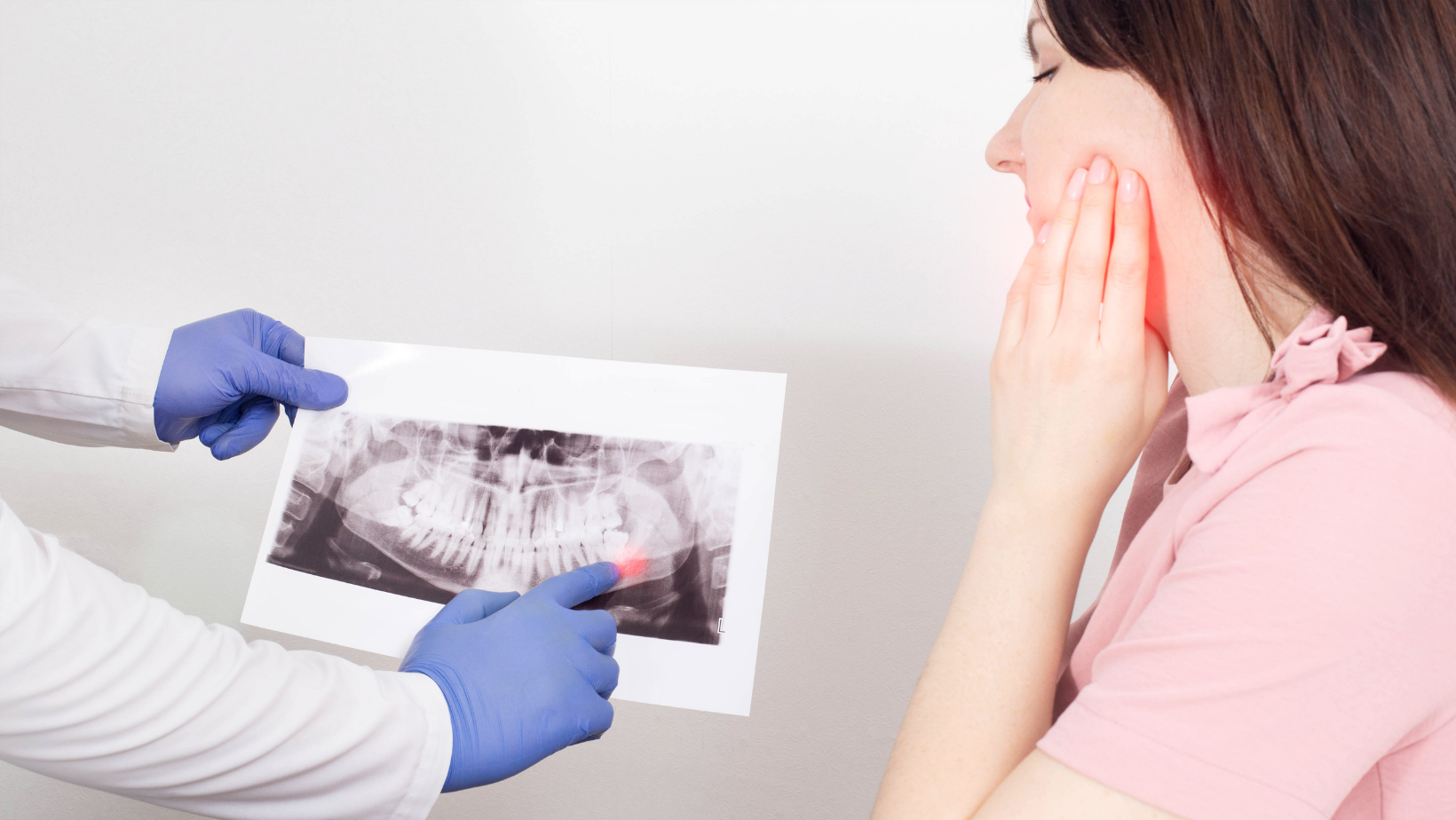
Dental cysts are fluid filled sacs that can occur in or around the teeth. These cysts usually occur in or around the roots of the teeth and the tissues around the teeth can occur for a variety of reasons. Dental cysts are usually painless and can remain asymptomatic; therefore, patients usually don't notice. However, dental cysts grow, and when they do print a variety of symptoms can occur, and in the teeth pain, swelling, or infection of the gums can cause problems such as.
There are several reasons for the formation of dental cysts. One of the most common reasons, dental infections that occur in the teeth cavities or tooth problems. These problems in the inner part of the tooth or at the root can lead to inflammation and infection, and can lead to cyst formation in this time. In addition, dental trauma, dental or dental cysts can also contribute to the formation of blockages in follicles. In this case, the external cysts are usually X-ray imaging and other imaging techniques may need to be treated or diagnosed using.
Dental cysts are usually specific symptoms may not be noticed until you have. However, as the cyst grows, and when they do print a variety of symptoms may occur. These symptoms are pain or tooth sensitivity, swelling of the gums, facial swelling, swelling in the mouth or the gums of teeth, infections or may include symptoms such as mobility. These symptoms may vary depending on the size and location of the tooth and cyst can be exacerbated by the size of the cyst. Therefore, patients who notice any symptoms consult a dentist and, if necessary, be made for the diagnosis and treatment of the cyst, it is important that an appropriate plan.
What Is A Dental Cyst?
Dental cysts are fluid filled sacs that occur within or around the teeth. Dental cysts usually occur in or around the roots of the teeth and the tissues around the teeth can occur for a variety of reasons. These cysts are usually painless and semptomsuz therefore, patients usually don't notice. However, dental cysts grow, and when they do print a variety of symptoms can occur, and in the teeth pain, swelling, or infection of the gums can cause problems such as.
There are several reasons for the formation of dental cysts. One of the most common reasons, dental infections that occur in the teeth cavities or tooth problems. These problems lead to inflammation and infection in the root or in the inner part of the tooth, and this may cause the formation of cysts over time. In addition, dental trauma, dental or dental cysts can also contribute to the formation of blockages in follicles.
Dental cysts are usually an X-ray or other imaging is diagnosed using imaging techniques. Treatment usually depends on the size of the cyst and symptoms. Small cysts are usually asymptomatic and can only be kept under observation, however large or symptomatic cysts can be surgically removed. Untreated or neglected teeth, cysts may cause complications and can seriously affect your dental health. Therefore, patients who notice any external cyst symptoms, consult a dentist and, if necessary, in planning the appropriate treatment is important.
Cystic External Causes?
Usually the root of a tooth or a tooth that occur in the environment in cystic fluid filled cyst. In the formation of these cysts can play several different roles:
- Dental Infections: The teeth such as tooth decay or gum disease from occurring in the inflammation and infection in the tissues surrounding the infection, leading to cyst formation may cause. In this case, an infected tooth or surrounding tissues, may contribute to the formation of cysts.
- Dental Trauma: From trauma to the teeth, especially if damage occurs in the roots, cystic may result in the formation of the teeth. The internal structure of the tooth as a result of trauma or infection in the roots and this may promote damage may occur, increasing the risk of cyst formation.
- Complications Of Root Canal Treatment: In some cases, complications can occur during or after the procedure root canal treatment. For example, after the completion of the treatment or to develop a new infection during treatment of the infection are not being fully cleaned, the teeth can lead to the formation of cystic.
- Impacted teeth or teeth: Teeth or impacted teeth, the surrounding tissues and may predispose to the formation of the cyst may be caused by abnormalities in this. Embedded in a proper manner, especially of the tissues around the teeth are not cleaned, can trigger the formation of the cyst.
- Congenital Anomalies: In rare cases, congenital anomalies or genetic factors, may cause disturbances in the development of the teeth or surrounding tissues of the teeth can contribute to the formation and cystic in.
It should be noted that multiple factors may be influential in the formation of cystic teeth. Therefore, diagnosis and treatment of cystic usually should be performed by a dentist or oral surgeon teeth. Treatment of the cyst size, and symptoms vary depending on the position, and usually requires surgical intervention.
What Are The Symptoms Of Dental Cysts?
The diagnosis is usually performed by a dentist or oral surgeon dental cyst imaging and clinical assessment, and various methods are used. Here are the commonly used methods in the diagnosis of a dental cyst:
- Clinical Examination: Listen to the oral surgeon or dentist will examine your mouth and the inside of the patient's symptoms. Swelling of the gums, tooth mobility or symptoms such as tenderness, may point to the existence of other than cystic.
- X-Ray Imaging: X-ray imaging, is one of the most widely used methods in the diagnosis of dental cysts. Panoramic radiographs, periapical X-ray tomography or digital, such as different X-ray techniques can be used. These imaging methods, providing detailed images of the teeth and surrounding tissues, presence of cystic lesions and shows the size.
- Biopsy: When a cystic lesion is detected suspicious, doctors usually they'll do a biopsy. In this process, a small sample of tissue from the lesion removed and examined pathologically. The biopsy provides more information about potential risks and the nature of the cyst.
- Ultrasonography: In some cases, more advanced imaging techniques such as ultrasound or MRI can be used. You can visualize the soft tissues of these techniques in a more detailed way, and the size of the cyst, you can better evaluate the structure and to affect the surrounding tissue.
- Clinical Evaluation: Clinical findings and patient history, plays an important role in the diagnosis of a dental cyst. The patient's symptoms, are thought to indicate the presence of dental cyst, where necessary, the doctor attempts to verify the diagnosis, imaging and laboratory tests.
The diagnosis of cyst usually is placed after a series of dental evaluation and testing. Diagnosis the patient's symptoms, clinical examination findings, and imaging results is made and appropriate treatment is determined on the basis of the plan. Therefore, patients showing signs of a cyst of the external and appropriate to be referred for evaluation and treatment, consult a dentist or oral surgeon is important.
What Is The Treatment For Dental Cyst?
Dental Cyst Treatment, cyst size, location, and varies depending on the patient symptoms and general health status. Here are a commonly used dental Cyst Treatment Methods:
- Observation: Small cysts are usually asymptomatic and can only be kept under observation. In this case, the dentist or oral surgeon evaluate at regular intervals by monitoring the growth or cyst symptoms.
- Surgical Removal Of The Cyst: In cases where the cyst is large or symptomatic, surgical removal may be required. In this process, the dentist or oral surgeon for complete removal of the cyst under local or general anesthesia and is performed by is performed.
- Root Canal Treatment: If the cyst is caused by infection, the tooth can be treated with root canal therapy. In this process, the dentist or endodontist so that it fills, cleans and shapes the inside of the tooth is the source of the infection is eliminated, which ensures that the cyst.
- Apikotomi: In some cases, the cyst can be found at the tip of the root of the tooth and the standard root canal treatment may be insufficient. In this case, apikotomi called a surgical procedure may be required. In this process, the dentist or oral surgeon allows you to remove the cyst from the tip of the root of the tooth.
- The Cyst Is The Marsupializasyon: If it is not appropriate for surgical removal of large cysts, the cyst can be considered a process called marsupializasyon. In this process, a drainage tube is placed into the cyst and the cyst contents are emptied so that the cyst is cleared and the content of the cyst reduced in size.
- Rebuilding Tissue: After surgical removal of the cyst, the cyst was removed in the area where the dentist or oral surgeon for the reconstruction of the tissues may implement an appropriate surgical procedure. The reshaping of the bone, or tissue for the reconstruction of other techniques may include the use of tissue grafts.
Treatment of the cyst size and location, and other factors depending on the patient's general health condition is determined. Therefore, patients with a diagnosis of a cyst of the external and consult appropriate treatment it is important to consult a dentist or oral surgeon about options.
How Dental Cyst Surgery Is Performed?
Dental cyst operation, usually performed by a dentist or oral surgeon and the size of the cyst, and other factors may vary depending on the location. A typical at work General Dental cyst operation steps:
- Anesthesia: Before surgery, the patient under local or general anesthesia is administered. Local anesthesia, prevents you from feeling pain or discomfort in the patient's area of operation. General anesthesia allows the patient to lose consciousness asleep.
- The Operation Area Preparation: After anesthesia has become effective, are prepared in a sterile manner in the area of operation. This step enables the operation to be carried out in a hygienic environment and minimizes the risk of infection.
- Cysts Of Access Provision: Dental cysts are usually located around the roots of the teeth or under the gums, since the first operation includes the cyst to make them accessible. In this step, a small incision is accomplished by opening or removal of gum tissue.
- Removal Of The Cyst: After it has been rendered accessible to the cyst, the cyst must be removed carefully the doctor to get the appropriate surgical instruments. Cyst, by paying attention to the preservation of healthy tissue around it and, if necessary, along with foreign roots are removed.
- The Removal Of The Cyst Control: To make sure that the cyst is completely removed, doctor, I will carefully check the operation area. The cyst is not completely removed in situations where additional measures can be taken to reduce the risk of recurrence of the cyst.
- Placement of sutures and wound care: After the removal of the cyst, and if necessary cleaned the area of operation sutures are placed. Sutures are used to reduce the risk of infection and promote wound healing process.
- The Healing Process: After the surgery, the patient may need a certain time for the healing of the operation area. The doctor, the patient post-operative care instructions, and sets controls to monitor gives you information about pain management and the healing process.
Dental cyst surgery is generally a safe and effective procedure, but as with any surgical procedure, there are potential risks and complications. Therefore, the benefits of surgery with your doctor before the operation, it is important that you talk in detail about the risks and expected results.
What Are The Complications Of Surgical Treatment For Dental Cysts?
Although generally safe and effective surgical treatment of tooth cysts, as with any surgical procedure, there are risks and potential complications. Here are some possible complications that may occur depending on the surgical treatment of tooth cysts:
- Infection: There is a risk of infection during and after surgery. Infections are usually treated with antibiotics, but severe cases, additional surgical intervention may be required.
- Bleeding: There may be some bleeding during the surgical procedure. This usually may be controlled during the operation; however, in rare cases, bleeding may continue and may require additional intervention.
- Nerve Damage: During the surgical procedure can damage the surrounding nerves. This condition include numbness, tingling or loss of sensation can lead to symptoms such as. Although it is usually temporary, in some cases, permanent nerve damage may occur.
- The Cyst Is Not Completely Removed: The condition is not completely removed the cyst, although rare, may increase the risk of recurrence of the cyst. In this case, additional surgical interventions or treatments may be necessary.
- Damage To Other Structures: Other may damage the surrounding tissue during the surgical procedure. In this case, surrounding the roots of the teeth, gums, jaw or structures such as bone damage.
- Allergic Reactions: During the surgical procedure that is used may develop allergic reactions to anesthetic medications or other medical materials.
- Anesthesia-related Complications: Local or general anesthesia, depending on the application that are associated with anesthesia complications can occur. These complications allergic reactions to the anesthesia, respiratory problems or heart problems may include.
- Healing Issues: Complications can occur after surgical procedures or delays in the healing process. In this case, the separation of the suture, wound infections may include problems such as swelling or excessive.
Although these complications are rare, and usually the doctor's experience and may occur as a result of the surgical procedure can be minimized with careful surgical techniques. The surgical treatment of patients prior to the surgical procedure in detail about the risks and possible complications, it is important to understand and be informed.
How To Cyst Formation In The Tooth Root Engelleyebil You?
You can take the following measures to prevent the formation of cysts in the tooth root:
- Good Oral Hygiene Implement: Provide good oral hygiene by brushing and flossing your teeth regularly. This can help prevent tooth decay and gum disease, and, therefore, prevents the formation of tooth cysts on roots.
- Regular Dental Checkups: Get routine dental check ups regularly go to your dentist and your dental health and helps keep it under control. This makes early diagnosis and treatment can help prevent potential problems in the roots of the teeth.
- Avoid Dental Trauma: Trauma from teeth, tooth roots can cause damage and infection can trigger the formation of cysts. Therefore, external trauma to avoid the use of appropriate protective equipment when doing sports, and be careful during risky activities.
- Treat Tooth Decay: Tooth decay, infections and tooth roots can cause inflammation in the teeth and hence may promote the formation of cysts. You can reduce this risk by early treatment of your teeth rotten.
- Orthodontic Treatment Monitor: A sequence of abnormalities in teeth or impacted teeth, tooth roots may contribute to the formation of cysts. Therefore, regular monitoring of the treatment process of patients who receive orthodontic treatment is important.
- Abstain from smoking and alcohol use: Smoking and excessive alcohol consumption may increase the risk of infection in the teeth and, consequently, may promote the formation of cysts on the roots of the tooth. Therefore, avoid such habits are important to maintain dental health.
By implementing the above measures, it may prevent the formation of cysts on the roots of the teeth, or you can minimize the risk. However, if you have any dental health problem or a concern, it is important to consult a dentist.
